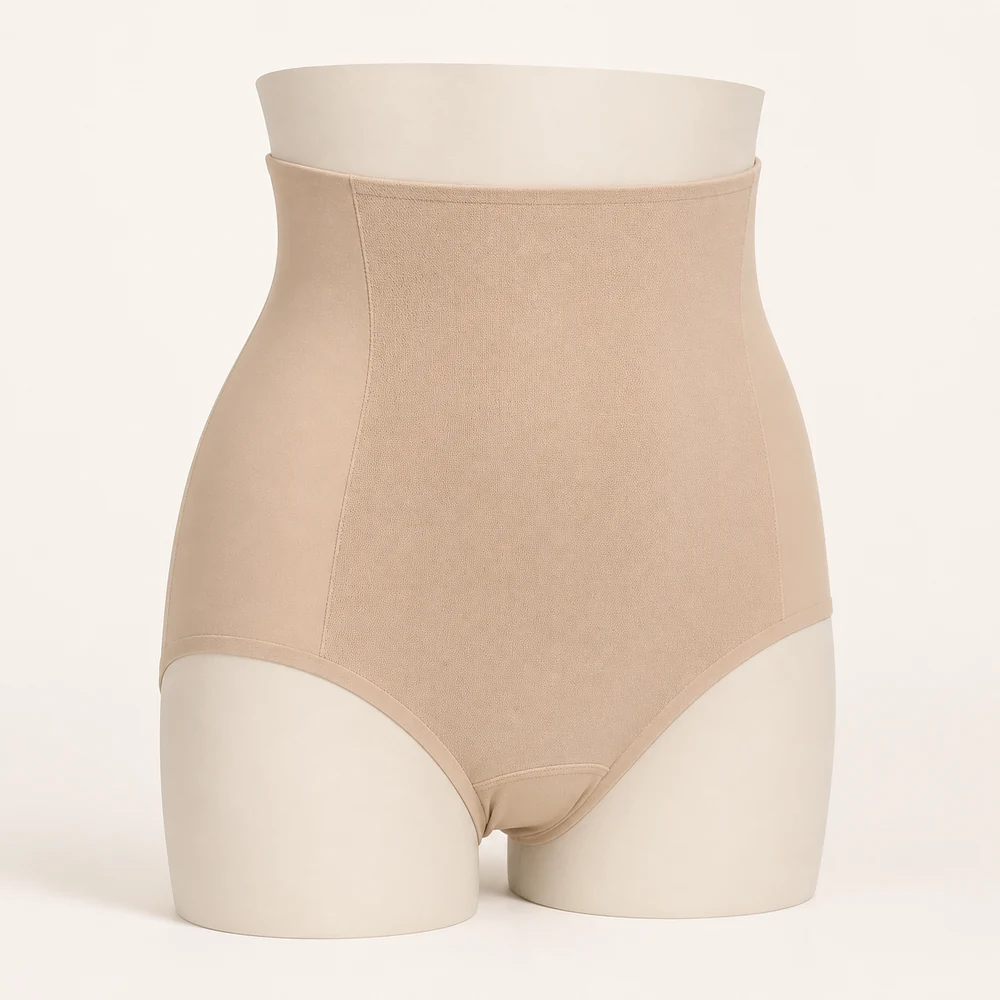
This page focuses on program decisions and tradeoffs. For the durable technical framework, read Shapewear Fabrics and Materials for Product Developers.
BUYER TAKEAWAY
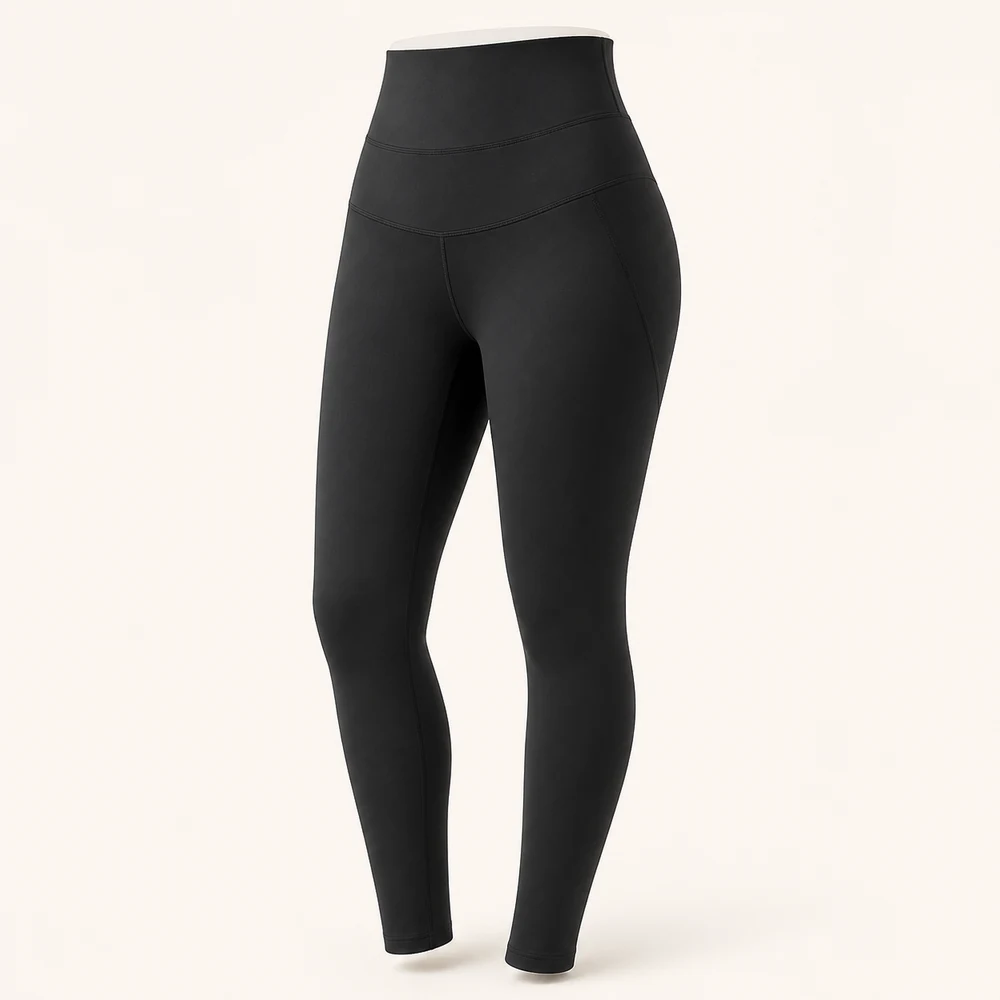
Select shapewear materials by the performance required in each zone: stretch resistance, recovery, breathability, surface appearance, skin feel, durability and compatibility with seams or bonding. Fiber composition alone is not a complete specification.
01
Translate material names into measurable requirements
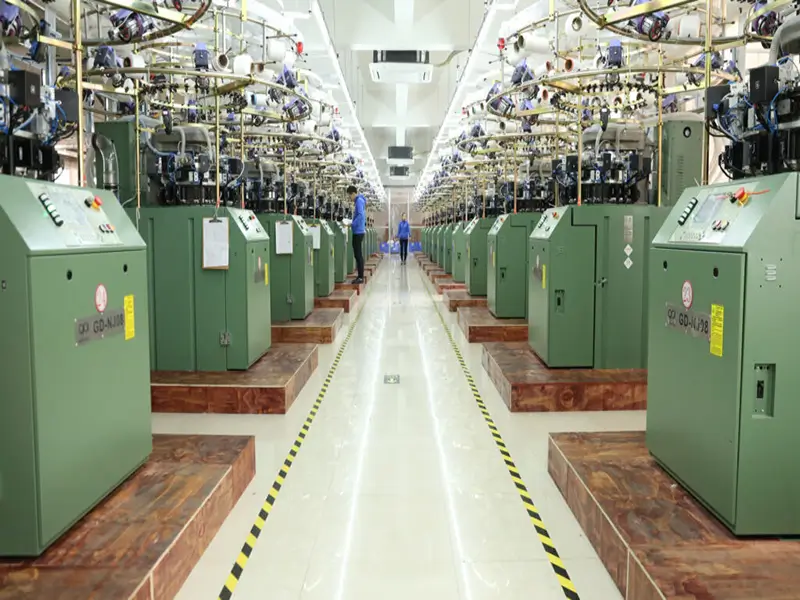
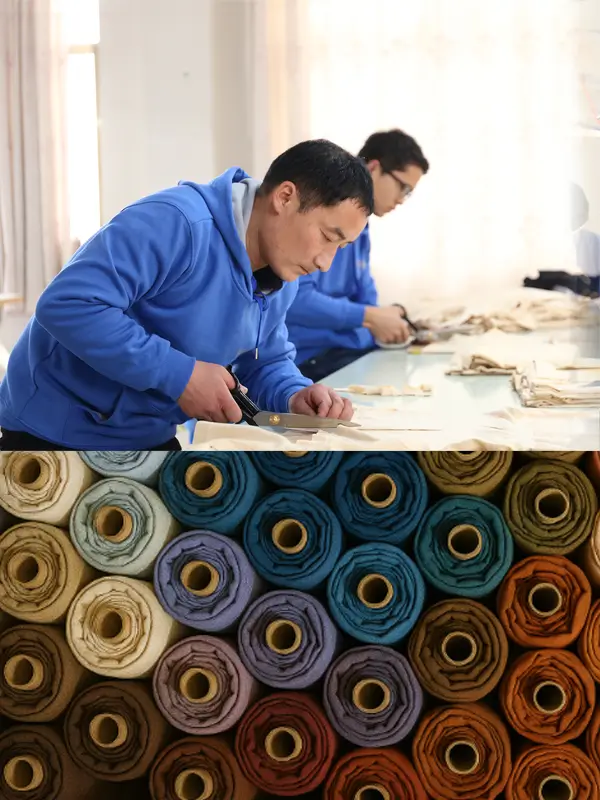
Nylon or polyester blended with elastane can describe many very different fabrics. Knit structure, weight, stretch direction, modulus, recovery and finishing determine how the material behaves in a garment. Ask for a physical swatch and a specification sheet, then evaluate it in the intended construction.
Color can also affect handfeel and performance. Approve lab dips or color standards and confirm that bulk colors meet the same functional expectation as the development sample.
02
Common material roles in shapewear
| Material or component | Typical role | Buyer checks |
|---|---|---|
| Microfiber stretch knit | Smooth outer surface and flexible body coverage | Opacity, recovery, pilling, handfeel, shade consistency |
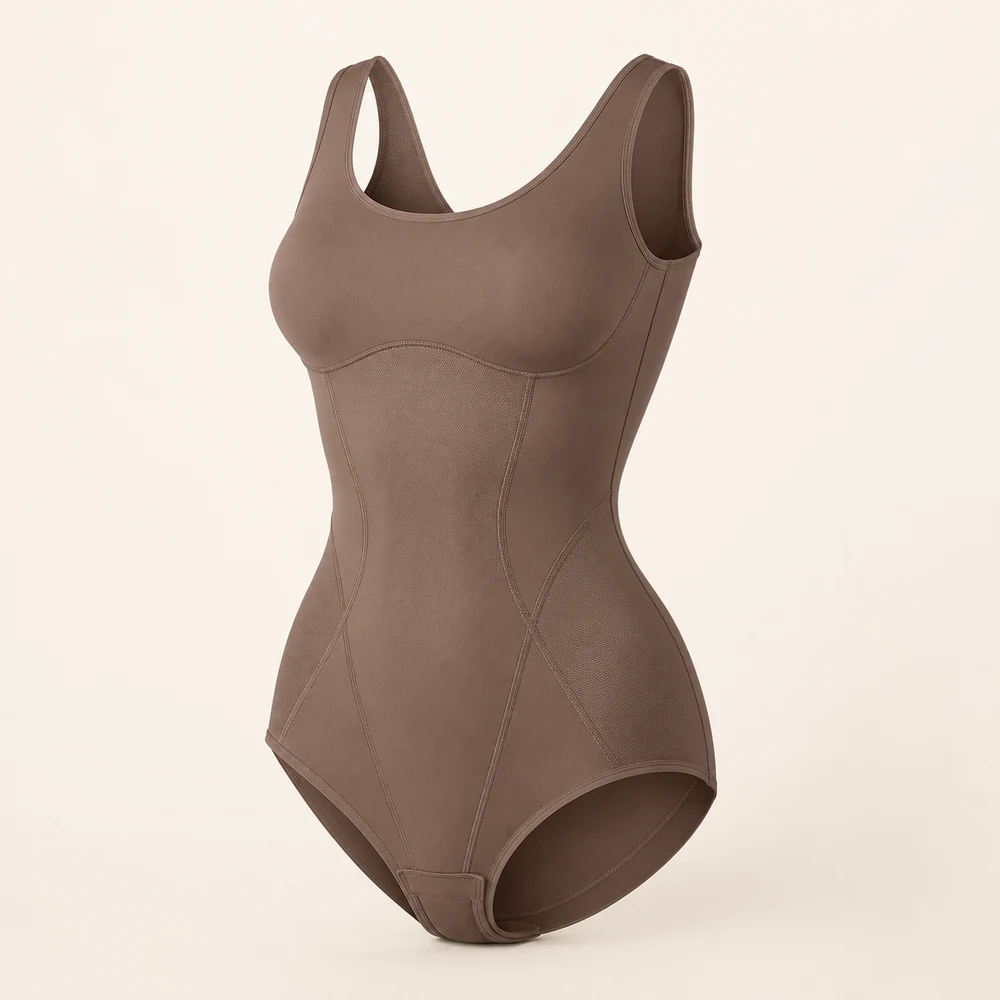
| Power mesh or powernet | Targeted reinforcement and firm support | Resistance, recovery, edge stability, skin feel |
| Soft lining or cotton gusset | Comfort in skin-contact areas | Composition, colorfastness, seam comfort, hygiene requirements |
| Elastic and silicone grip | Hold at waist, leg or strapless edges | Recovery, adhesion, irritation risk, wash durability |
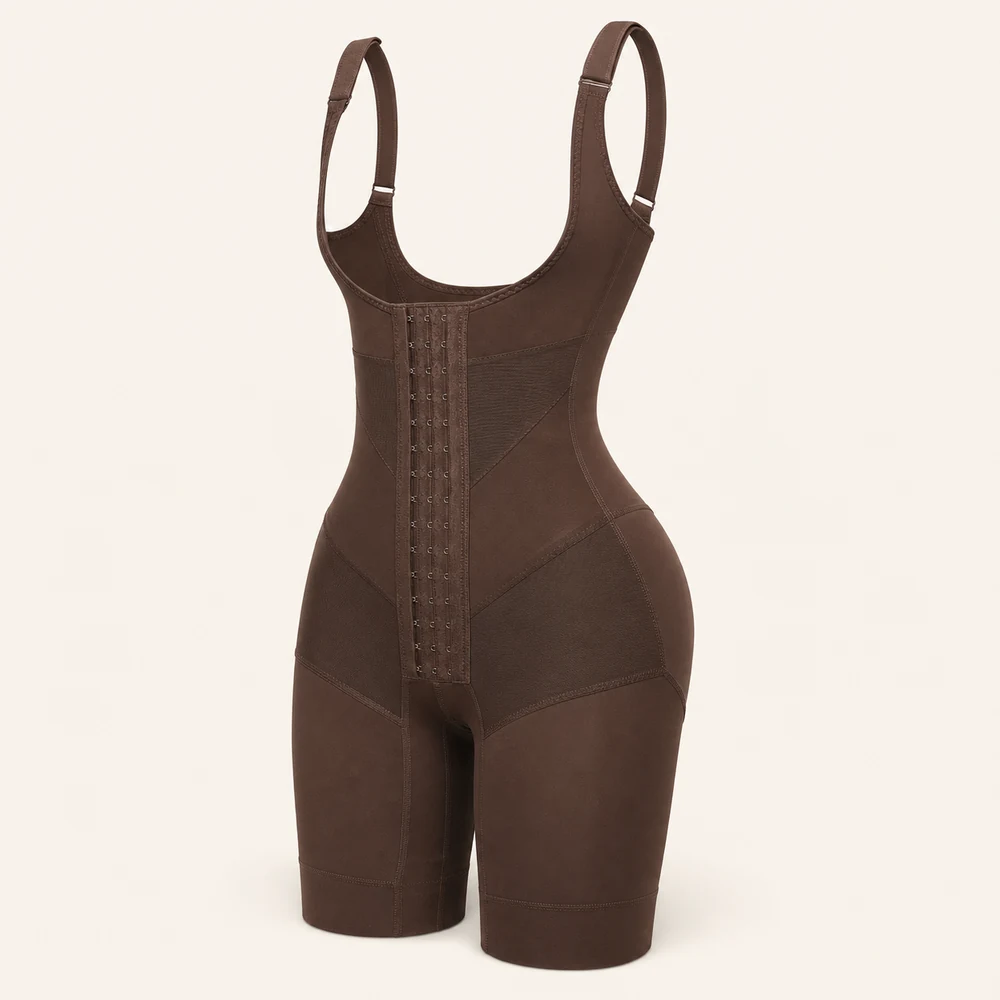
| Hooks, zippers and boning | Entry, adjustment and structural support | Strength, corrosion resistance, guarding and comfort |
03
Design the material system by zone
A strong shapewear brief identifies what each zone must do. The abdomen may need stable reinforcement, while the hip needs shaping without flattening. Leg openings need secure recovery without visible cutting, and gussets or underarm areas may prioritize breathability and comfort.
Panel maps, swatches and annotated samples are more useful than asking for a single “best shapewear fabric.”
04
Material questions to include in an RFQ
Testing should be selected for the product, claim and destination market. Do not copy an unrelated test list into every program; agree the important risks before quotation and sampling.
- Fiber composition, knit structure, usable width and fabric weight
- Stretch and recovery by direction
- Color standard, colorfastness and lot consistency
- Surface tests such as pilling, snagging or abrasion where relevant
- Compatibility with sewing, bonding, printing and care instructions
- Available documentation for any sustainability, recycled-content or chemical claims
Buyer FAQ
Is a higher elastane percentage always better for shapewear?
No. Composition alone does not determine control, recovery, comfort or durability. Knit construction and the complete garment design matter.
What is power mesh used for?
Power mesh or powernet is commonly used as a stable reinforcement layer or panel for targeted support while retaining ventilation.
Should a buyer approve fabric before garment sampling?
A swatch review is useful, but final approval should be based on the fabric in the actual garment because seams, panels, bonding and pattern reduction change performance.