This page focuses on program decisions and tradeoffs. For the durable technical framework, read OEM/ODM Shapewear Development: Brief to Bulk Order.
BUYER TAKEAWAY
A reliable private-label program moves through a controlled approval sequence: commercial brief, technical specification, material and trim confirmation, prototype, fit and wear testing, size set or pre-production approval, bulk production, quality inspection and packing release.
01
Stage 1: turn the commercial idea into a buildable brief
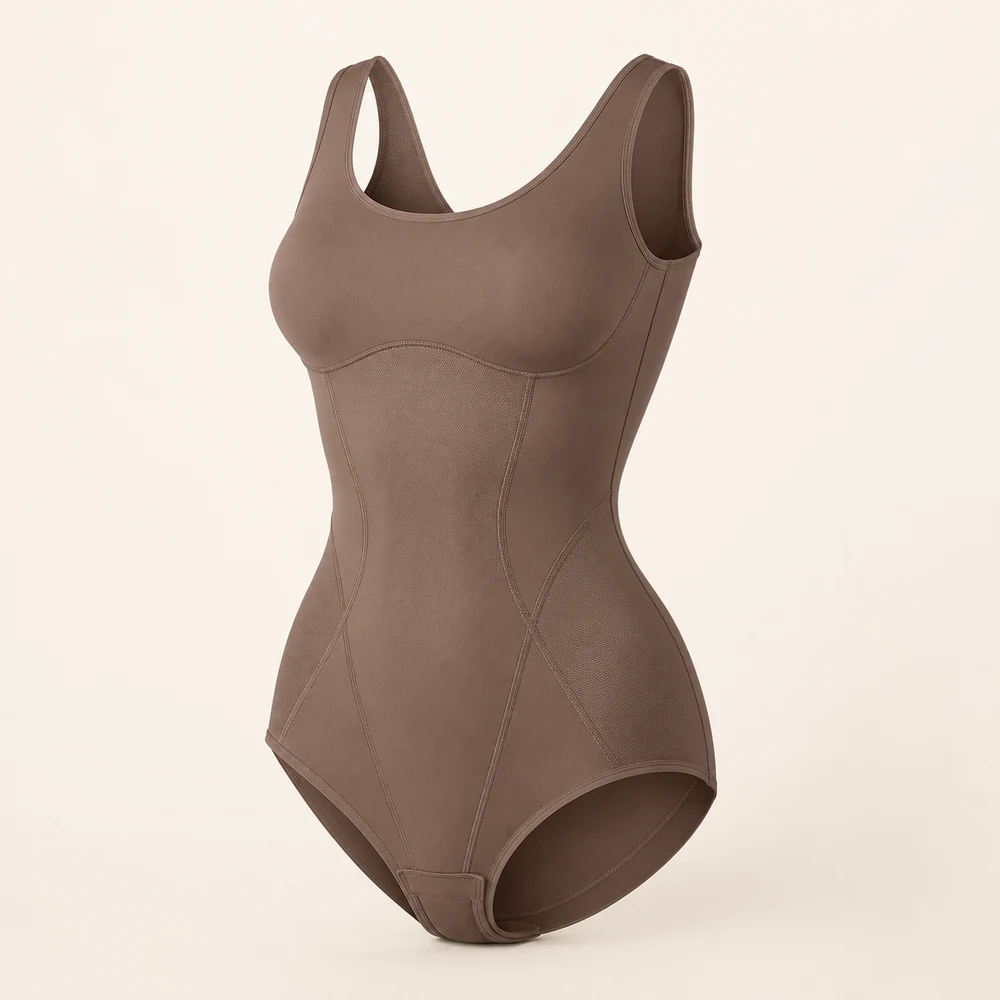
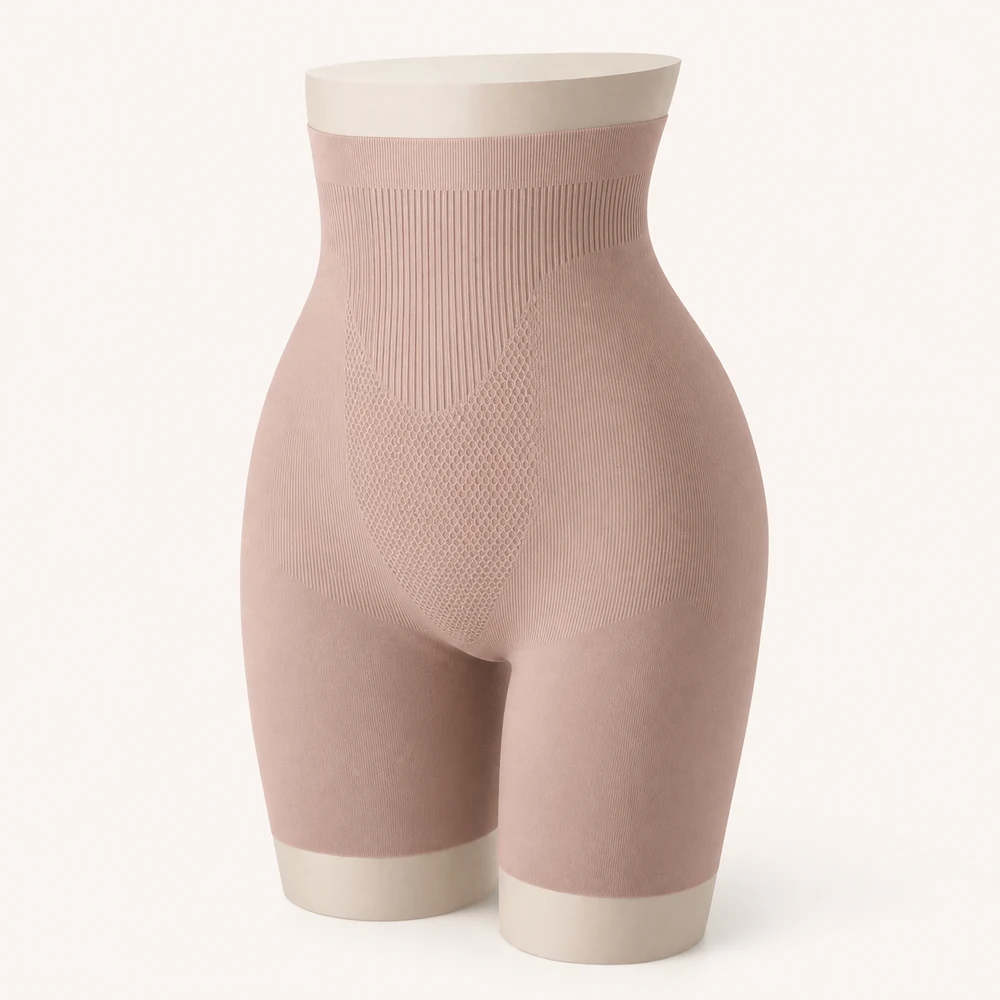
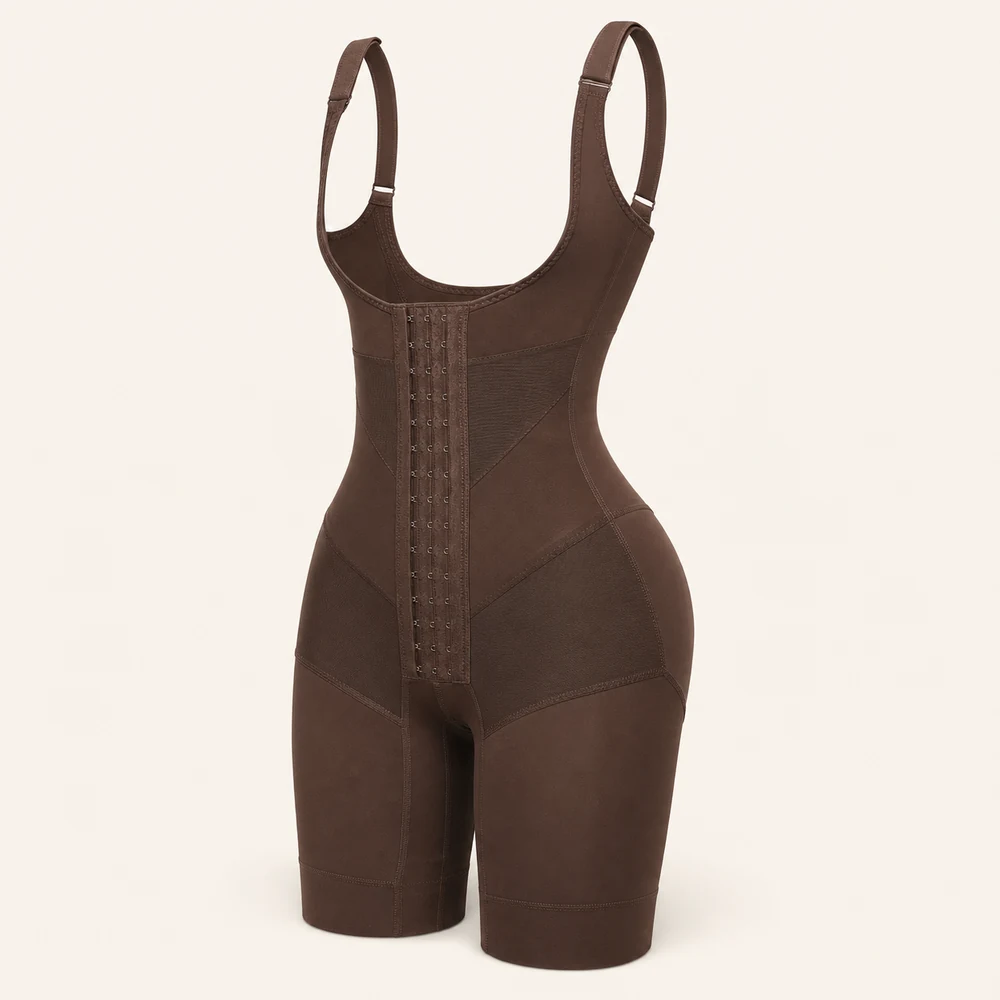
The first brief should explain the customer and result, not only show a reference photo. Include target market, sales channel, silhouette, control level, size and color plan, quantity, target positioning, packaging and delivery needs. Mark the features that define the product so cost engineering does not remove the wrong detail.
For ODM, the supplier may adapt an existing platform. For OEM, the buyer normally provides more detailed specifications, measurements or a tech pack. Many projects combine both approaches.
02
Stage 2: sample, measure, fit and revise
A prototype proves construction direction, not bulk readiness. Review garment measurements, balance, coverage, control, entry, comfort, seams, rolling and appearance under clothing. Record comments with photos and numbered points so the next sample can be evaluated objectively.
When the base size is approved, confirm grading and decide whether a size set is required. Changes to material or construction after approval should be documented and re-evaluated.
| Approval gate | Buyer confirms | Supplier provides |
|---|---|---|
| Development sample | Concept, silhouette and major features | Construction proposal, materials and initial costing |
| Fit sample | Measurements, control, comfort and appearance | Revised pattern or knit program and change record |
| Pre-production sample | Final materials, trims, labels and packaging | Bulk-ready specification and production reference |
| Shipment release | Inspection standard and documents | Inspection result, packing details and shipment data |
03
Stage 3: protect the approved standard in bulk
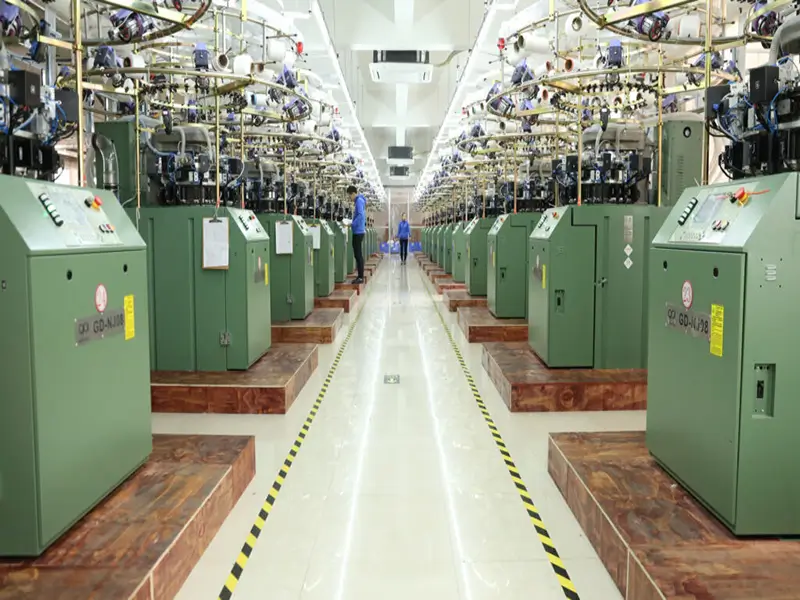
Bulk control begins before sewing. Fabric and trim identity, shade, relaxation, cutting or knitting settings and first-piece approval should match the approved standard. In-line inspection catches workmanship drift before the order is fully assembled.
Final inspection should use the agreed sampling method and defect definitions. Measurements, appearance, function, labeling, assortment and packing must all be covered.

04
The buyer readiness checklist
A clear approval record reduces misunderstandings and makes changes visible to both parties. It also gives the buyer a stronger basis for repeat orders.
- One decision owner and one consolidated comment sheet
- Approved product specification and measurement table
- Approved fabrics, colors, trims and component artwork
- Size ratio and quantity by color
- Testing, inspection and tolerance requirements
- Final labels, packaging, barcodes and carton marks
- Delivery destination, incoterm and required documents
Buyer FAQ
What is the difference between OEM and ODM shapewear?
OEM usually follows a buyer's more defined product specification, while ODM starts from supplier-developed platforms that can be adapted. Many real projects combine the two.
Is one approved sample enough for bulk production?
The approval path depends on complexity, but buyers should normally confirm final materials, measurements, grading, trims, labeling and packaging before bulk release.
When should packaging be developed?
Packaging can begin during product development, but artwork and dimensions should be finalized only after the product, folded size, labeling and destination requirements are stable.