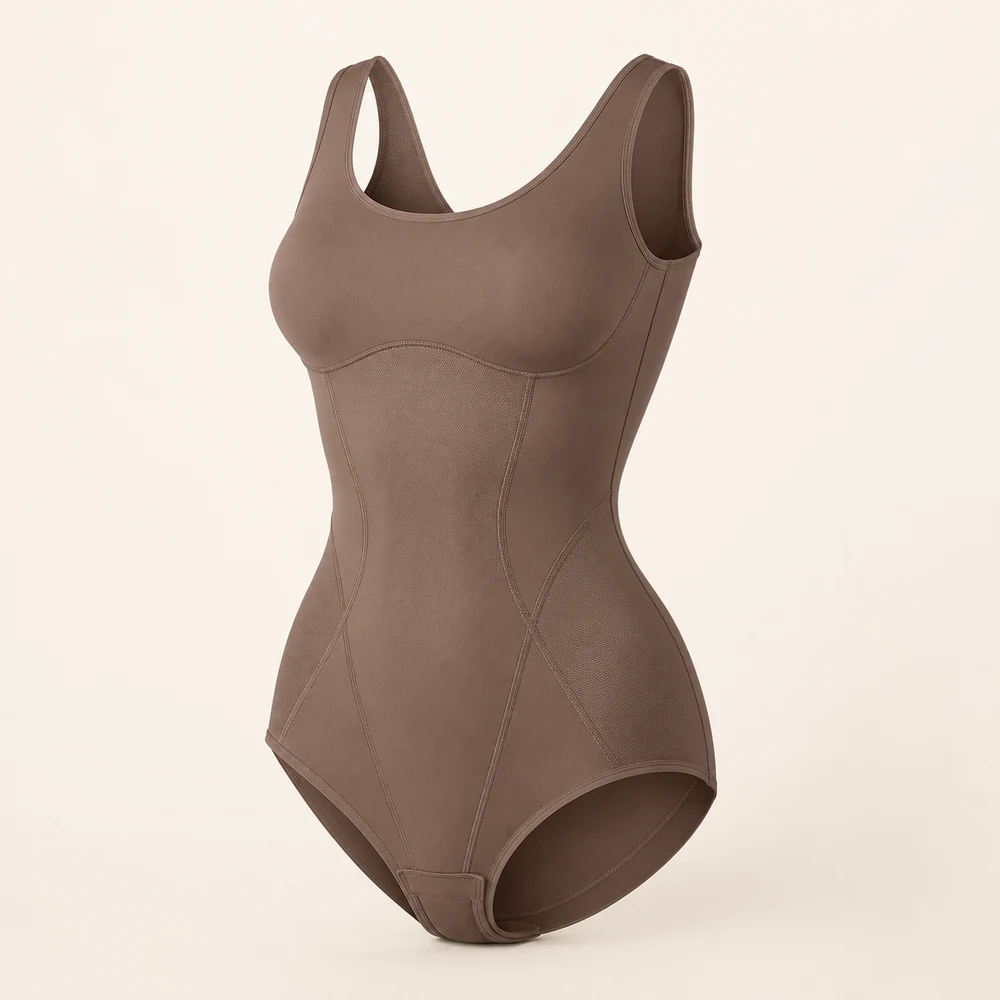
This page focuses on program decisions and tradeoffs. For the durable technical framework, read The Complete Women's Shapewear Taxonomy for B2B Buyers.
BUYER TAKEAWAY
Start with the wear occasion, target control level and the clothing your customer will wear over the garment. Then choose the silhouette and construction that deliver that result—not simply the category with the strongest compression.
01
Begin with the job the garment must do
A useful shapewear range is built around buyer outcomes. Everyday customers may want invisible smoothing under office clothing, while occasion customers need low-back or strapless compatibility. Curve-focused programs may prioritize waist definition and hip shaping, and recovery-oriented garments require a separate claims and compliance review.
Define the target customer, wear duration, outerwear, climate, desired silhouette and price position before discussing fabrics or closures. These answers prevent a factory from over-engineering a basic item or under-engineering a firm-control style.
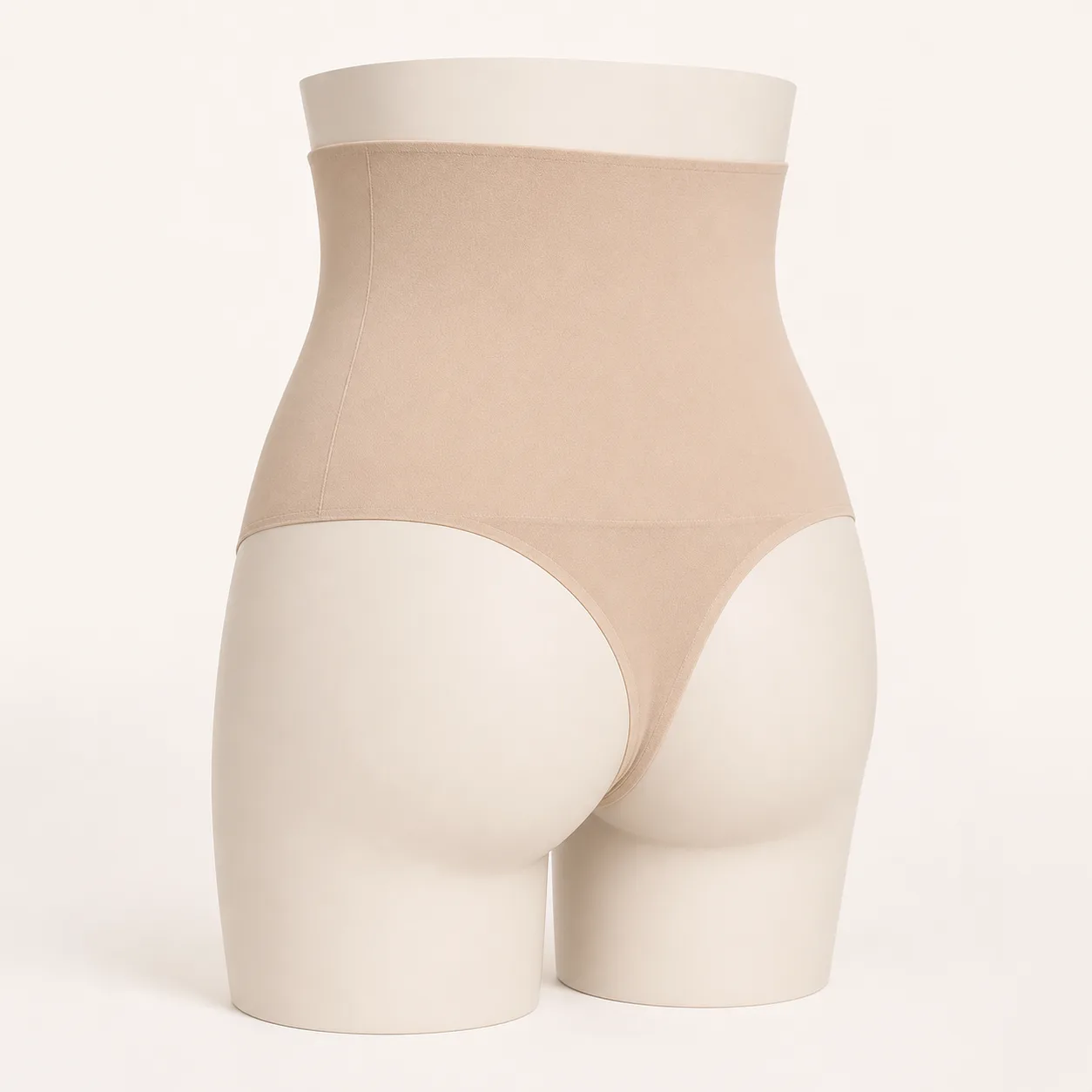
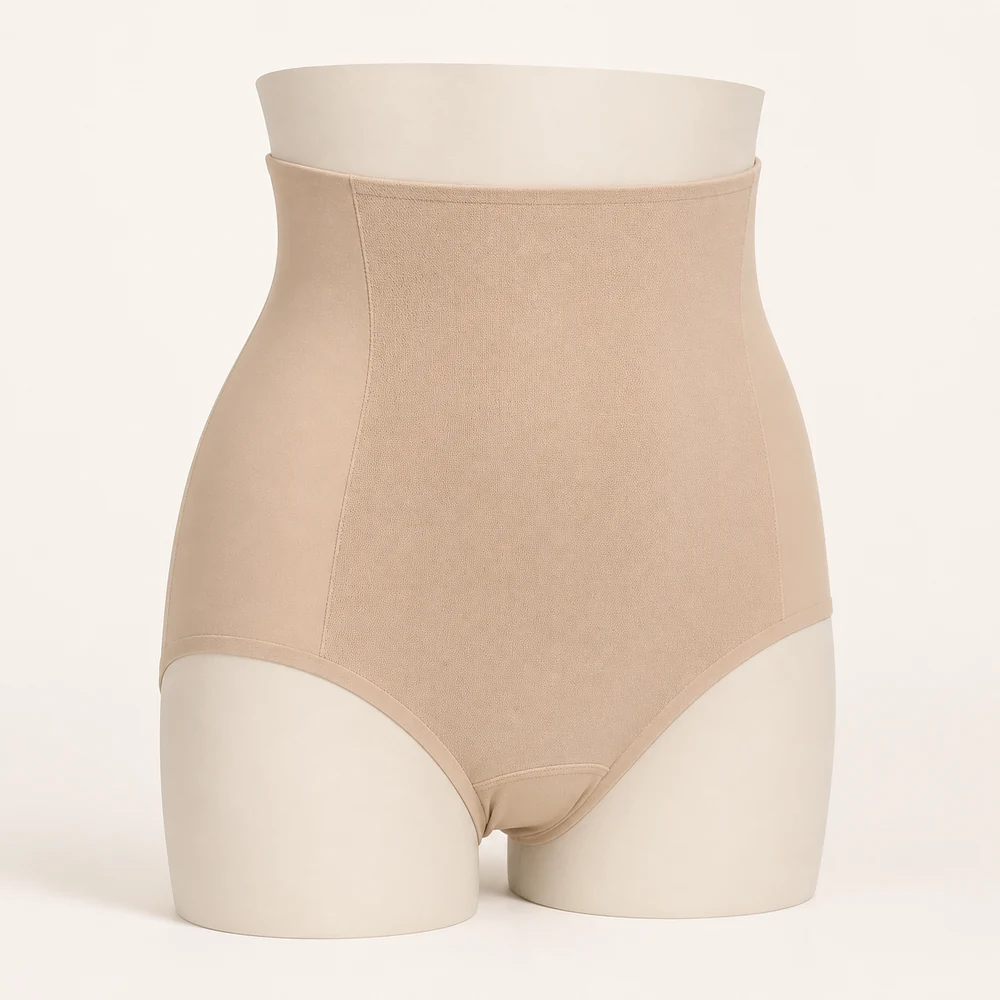
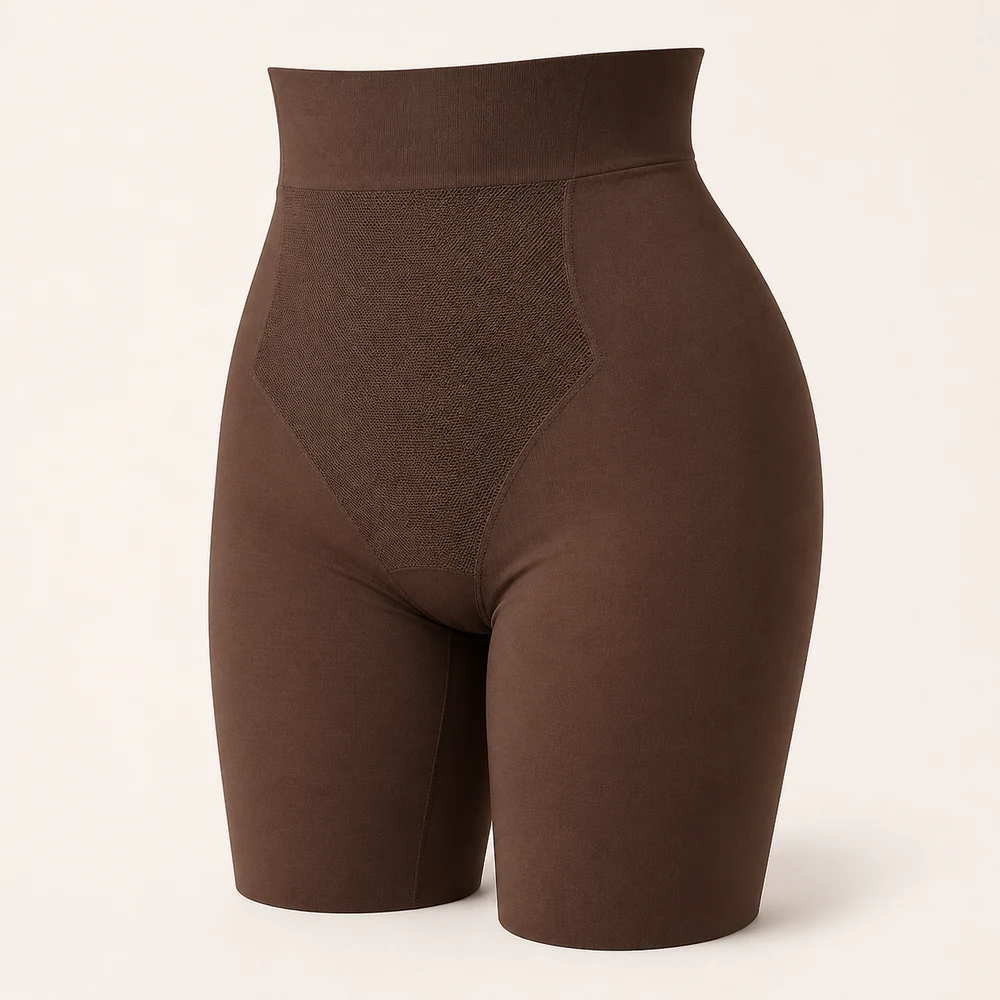
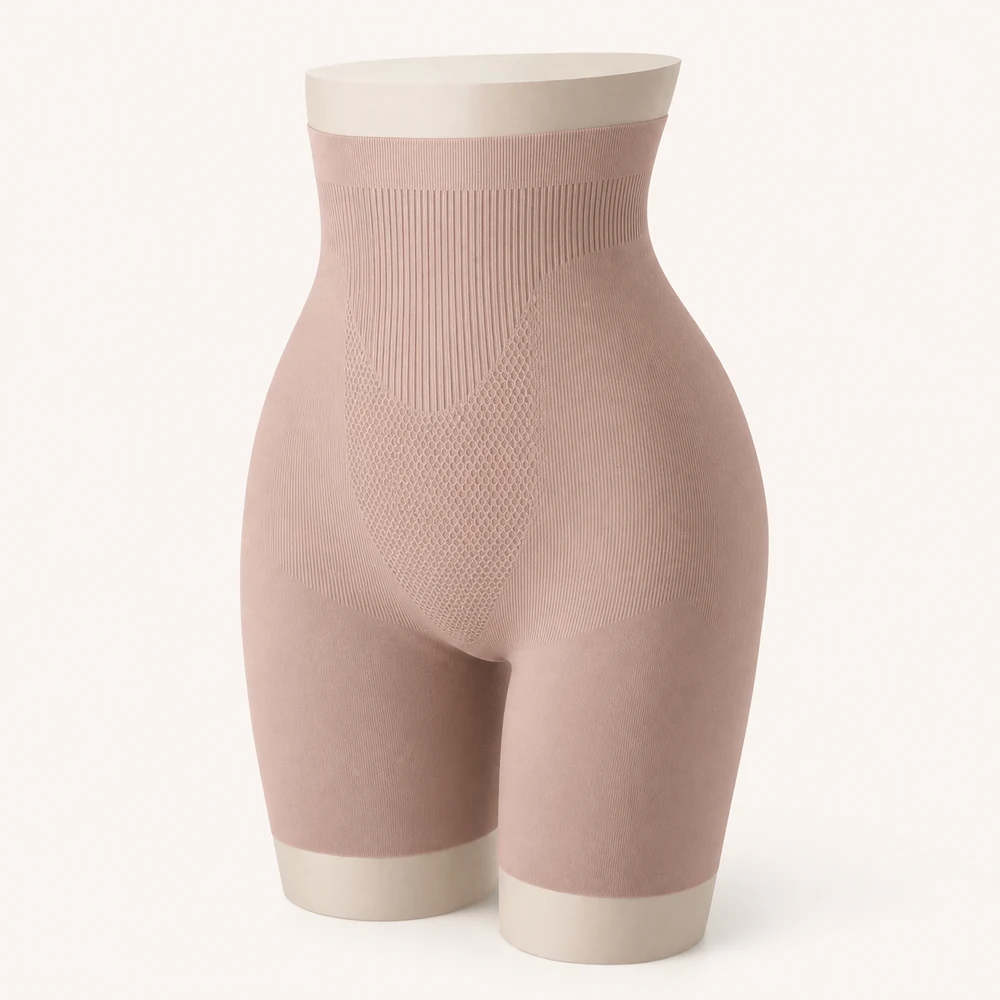
- Everyday smoothing: briefs, shaping thongs, shorts, camisoles and seamless bodysuits
- Occasion dressing: slips, low-back bodysuits, open-bust styles and thigh slimmers
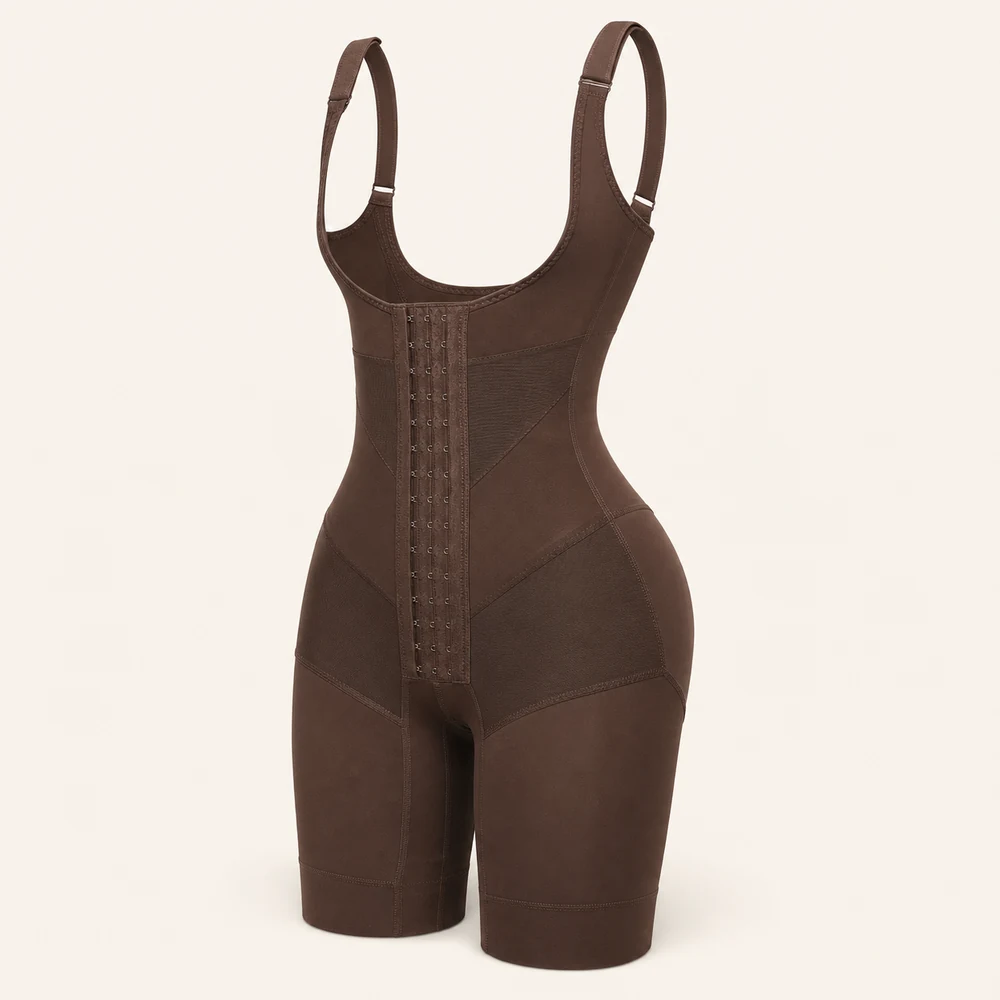
- Firm curve shaping: structured bodysuits, waist cinchers and Colombian-style fajas
- Specialist needs: maternity, postpartum and post-surgical programs with appropriate review
02
Match the silhouette to coverage and wardrobe
Coverage affects both shaping and customer acceptance. A high-waist brief targets the abdomen with minimal coverage; a mid-thigh bodysuit can connect torso and thigh control but requires more fit testing. Open-bust designs accommodate the customer's own bra, while closed-bust designs give the brand more control over the total silhouette.
| Buyer goal | Likely product families | Questions to resolve |
|---|---|---|
| Invisible daily smoothing | Shaping underwear, seamless bodysuits, camisoles | Seam visibility, leg opening, breathability, wardrobe compatibility |
| Waist and abdomen definition | High-waist briefs, waist cinchers, shaping shorts | Roll-down control, closure type, torso length |
| Full torso and thigh control | Bodysuits, fajas, thigh slimmers | Gusset, strap adjustment, leg length, bathroom access |
| Dress and occasion support | Slips, low-back bodysuits, bustiers | Neckline, back height, strap configuration, anti-slip details |
03
Build a range, not a collection of duplicates
For a first private-label launch, use a small range with clearly different jobs. A sensible opening architecture may include an easy-entry smoothing item, a core medium-control item and a stronger hero style. Add colors and size depth only after the fit and commercial role of each style are clear.
Ask the supplier to map shared fabrics, trims and packaging across the range. Component consolidation can simplify development and purchasing without making every product feel the same.
04
What to put in the first category brief
Send the factory a reference image or sample together with the target market, buyer type, control expectation, size range, colors, estimated quantity, target price or positioning and required delivery window. Identify must-have features separately from features that can be adjusted to reach the target cost.
- Primary customer and sales channel
- Use occasion and outerwear
- Target areas and control level
- Preferred silhouette, fabric handfeel and closures
- Size and color plan
- Quantity, packaging, testing and delivery expectations
Buyer FAQ
Which shapewear category is best for a first private-label launch?
There is no universal best category. Start with the clearest customer need and a silhouette your channel already understands, then validate fit and repeat demand before widening the range.
Should a new range start with firm-control shapewear?
Only if firm control matches the target customer and the brand can support the additional fit, construction and wear testing. Stronger is not automatically better.
Can several categories share materials and packaging?
Yes. A supplier can often consolidate core fabrics, trims, labels and packaging, provided each style still meets its intended fit and performance.