
This page focuses on program decisions and tradeoffs. For the durable technical framework, read How to Choose a Shapewear Manufacturer.
BUYER TAKEAWAY
Evaluate a shapewear supplier against your specific program: relevant construction capability, technical development, material control, fit and quality systems, communication, capacity, traceability and commercial terms. Verify claims with documents, samples and process evidence.
01
Start with product-process fit
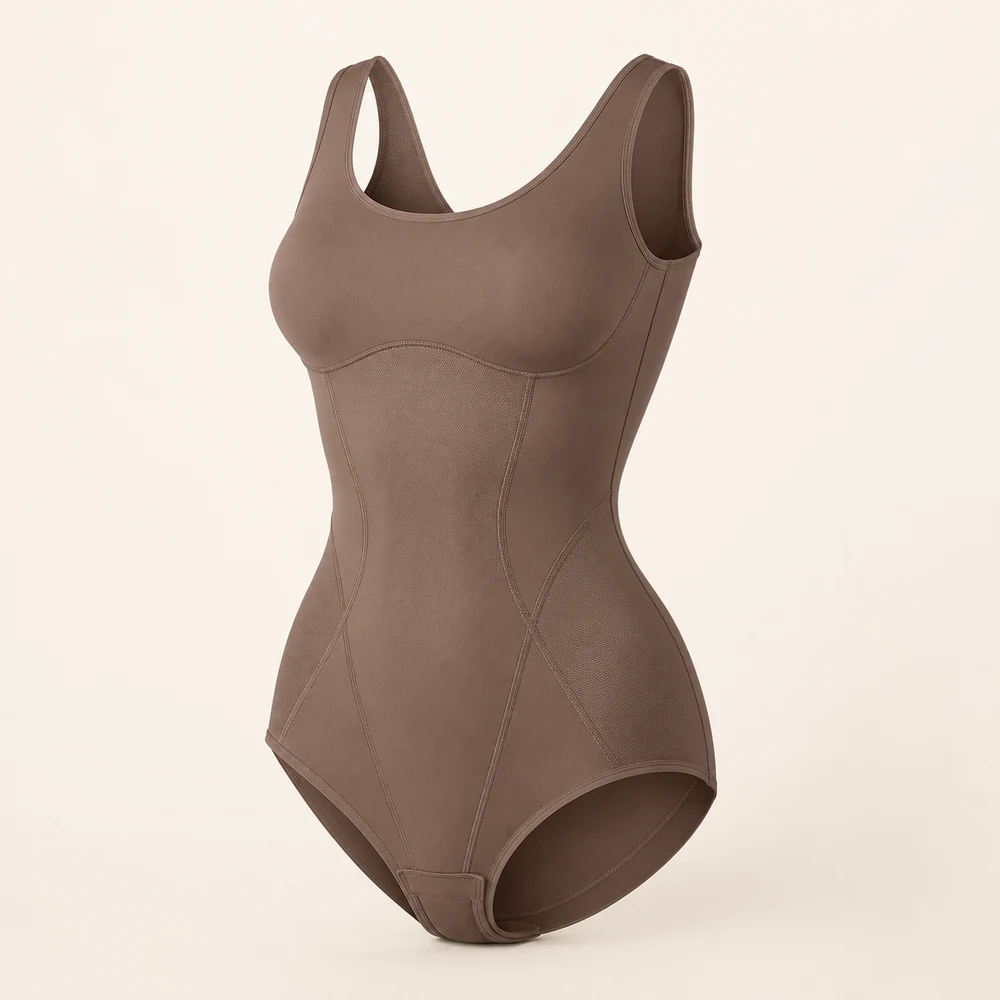
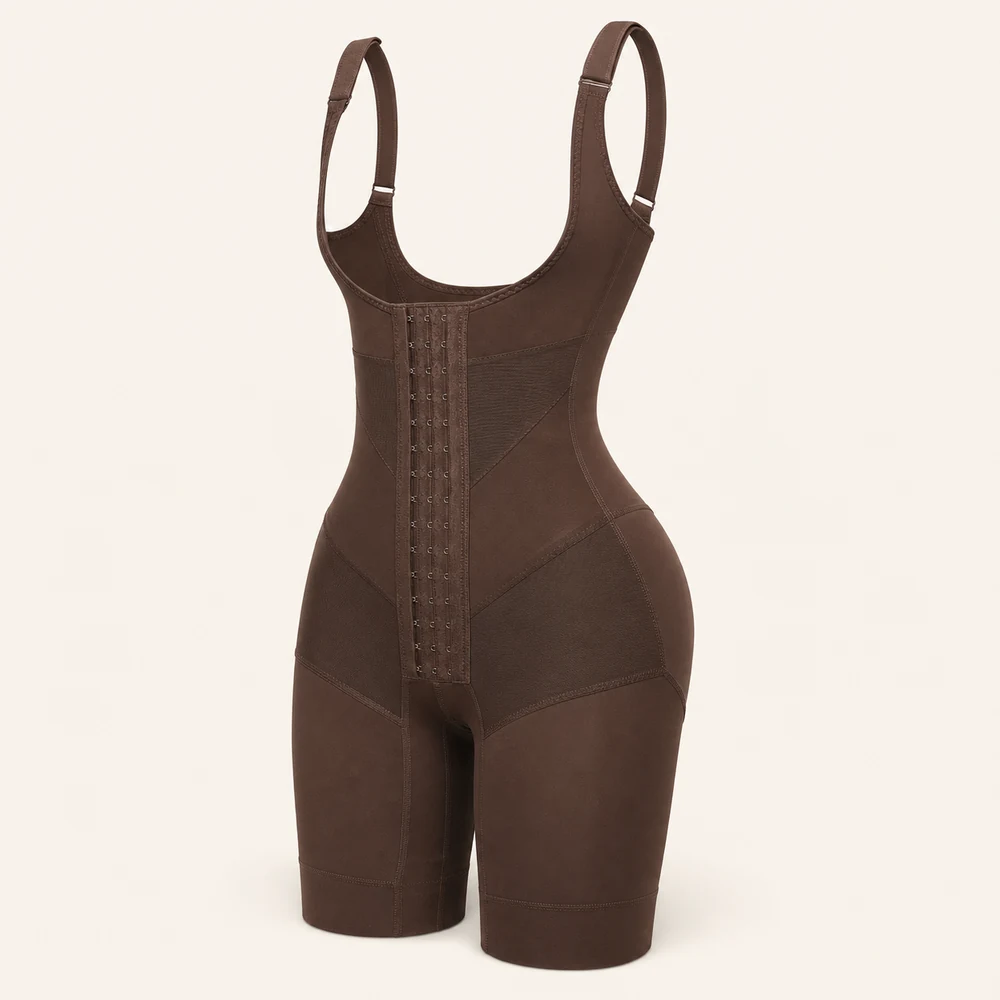
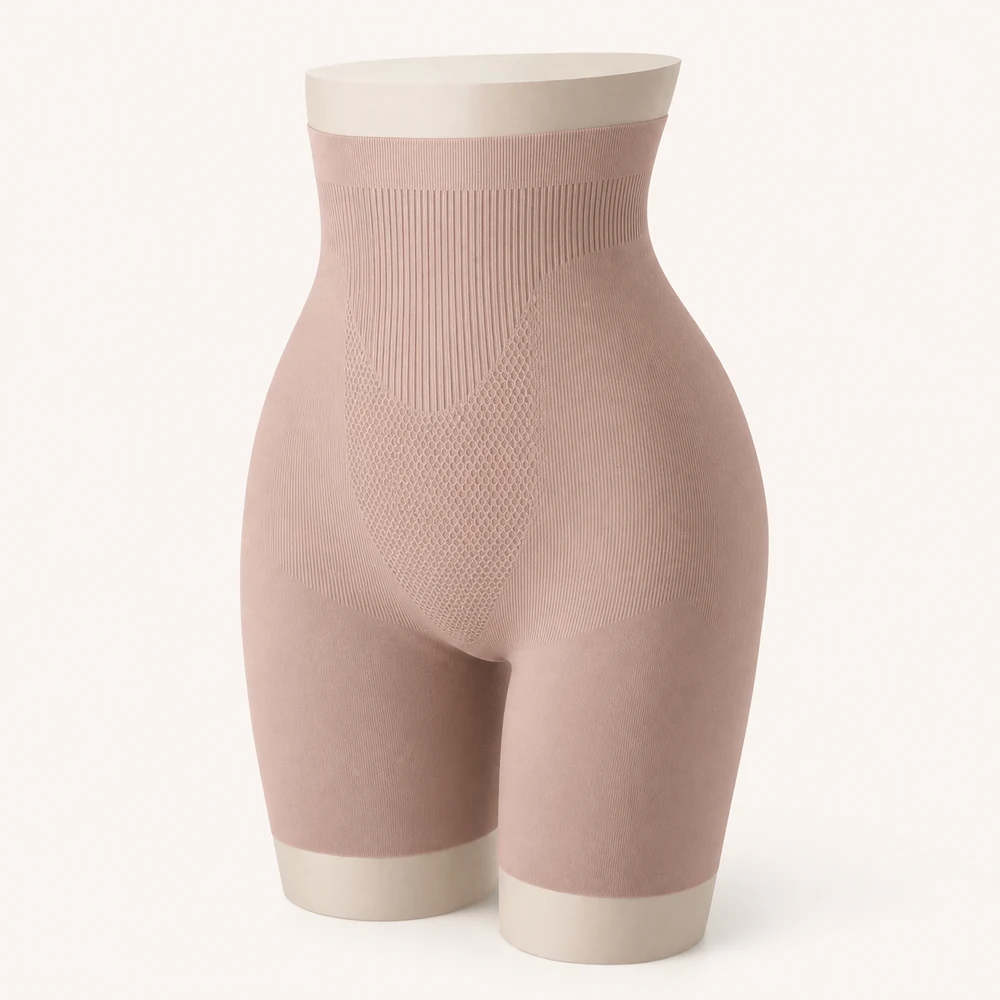
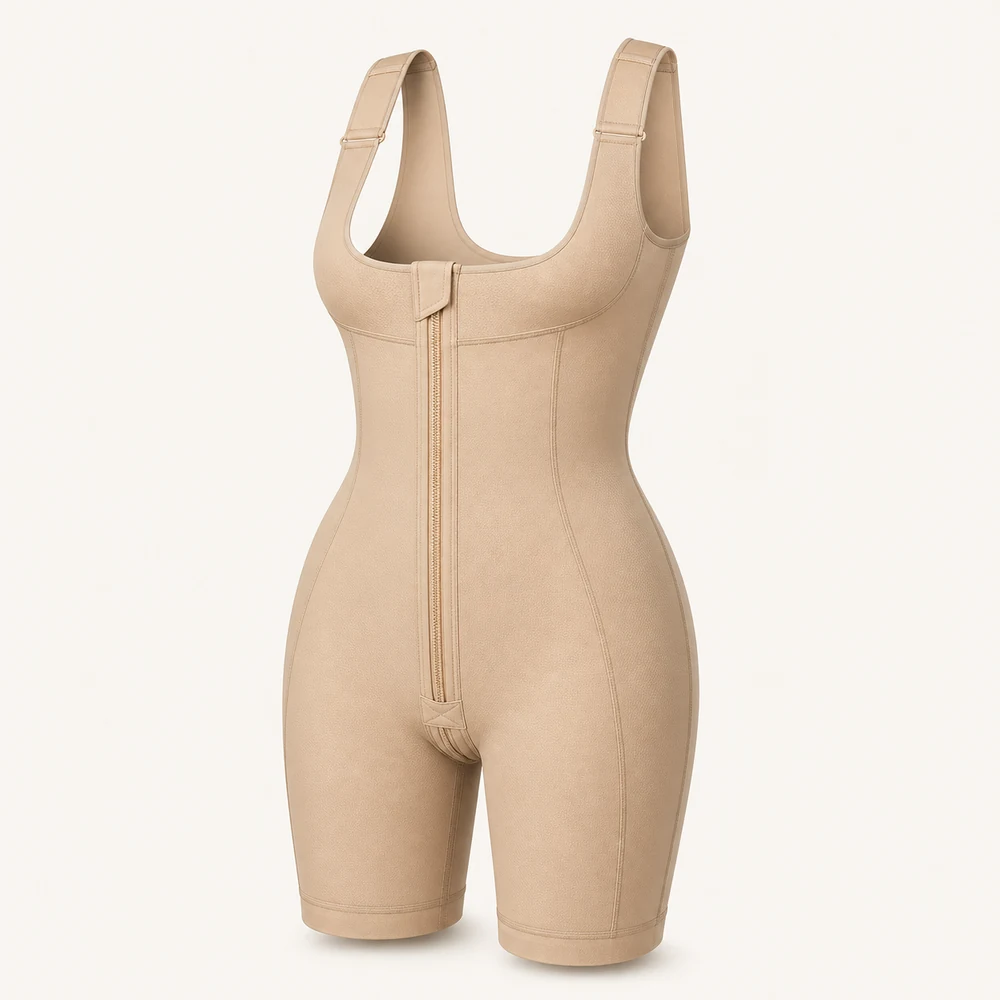
A factory can be experienced in apparel yet lack the right machinery or technical knowledge for a particular shapewear program. Ask for examples that match your construction—such as seamless knit, bonded edges, structured fajas, molded cups, specialist closures or post-surgical coverage.
Relevant capability is more important than a long generic product list. The supplier should explain how it controls the difficult points in your style.
02
Use a scorecard that compares evidence
| Area | Evidence to request | What a strong answer shows |
|---|---|---|
| Technical development | Sample workflow, measurement control, change records | Clear ownership from brief through approval |
| Materials | Specifications, lot controls, supplier records, test options | Traceable and repeatable material decisions |
| Quality | Inspection points, defect standards, measurement reports | Prevention and corrective action, not only final checking |
| Capacity and delivery | Production route, planning assumptions, milestone schedule | Realistic timing with visible dependencies |
| Claims and compliance | Current scope-specific reports or certificates | No vague or unsupported marketing claims |
| Commercial fit | Detailed quote, MOQ basis, payment and change terms | Comparable scope and transparent assumptions |
03
Inspect how quality is managed before shipment
A quality system should connect incoming materials, first-piece approval, in-line checking, measurement, functional checks, final inspection and packing. Ask who approves deviations and how issues are traced to lots, operators or components.
If an audit or third-party inspection is important, agree access, timing and acceptance criteria before the order.

04
Watch for avoidable supplier-selection risks
The lowest initial quote is not necessarily the lowest landed risk. Compare suppliers using the same brief and score the evidence that matters to your channel.
- Quotations that omit material, packaging, testing or commercial assumptions
- Immediate promises before reviewing the product and quantity matrix
- Certificates or test reports with unclear scope, owner or validity
- Samples that cannot be tied to a stable specification
- Inconsistent answers from sales, development and production teams
- Pressure to begin bulk before fit, grading or pre-production approval
- No written process for changes, defects or corrective action
Buyer FAQ
What should a buyer verify before ordering shapewear samples?
Confirm that the supplier has relevant construction capability, understands the target specification and can explain sample cost, timing, materials and revision steps.
Are factory certificates enough to select a supplier?
No. Certificates may support part of an evaluation, but their owner, scope, validity and relevance must be checked alongside product, process and commercial evidence.
How can buyers compare quotations fairly?
Send the same specification and quantity matrix, then compare included materials, trims, packaging, testing, inspection, incoterm, payment and change assumptions.