This page focuses on program decisions and tradeoffs. For the durable technical framework, read Seamless vs. Cut-and-Sew Shapewear.
BUYER TAKEAWAY
Choose seamless when soft handfeel, reduced seams and knitted-in zones support the product concept. Choose cut-and-sew when the style needs stronger panel control, complex coverage, precise material placement or structured closures. Hybrid construction can combine both approaches.
01
The construction method changes the whole development path
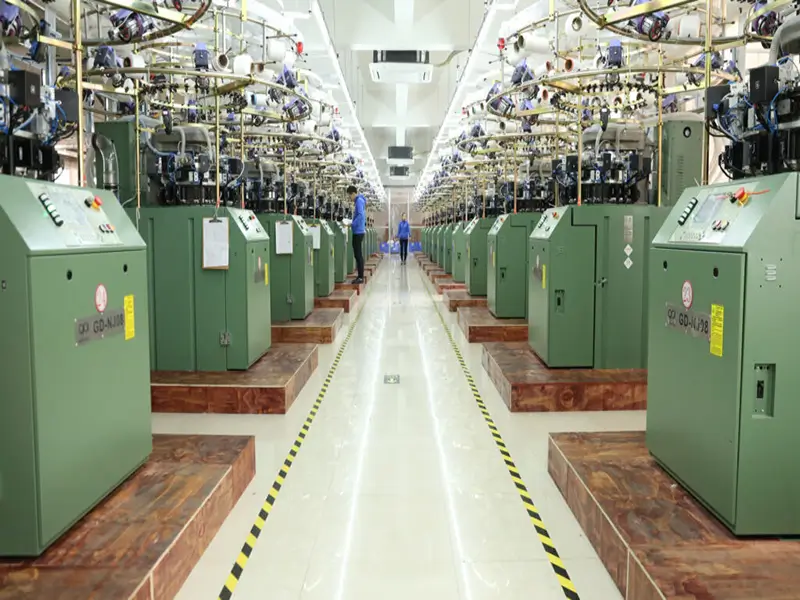
Seamless garments are knitted as tubes or near-finished shapes, with zones programmed into the knit. Cut-and-sew garments are created from fabric panels that are cut, joined, lined, bonded or reinforced. Both can produce strong commercial products, but they use different machinery, sampling logic and cost drivers.
02
Compare the two systems
| Decision point | Seamless knit | Cut-and-sew |
|---|---|---|
| Comfort and surface | Fewer body seams and smooth knitted transitions | Depends on seam, bonding and edge-finishing choices |
| Control placement | Knitted zones and changes in stitch density | Separate fabrics, linings and precisely placed panels |
| Style complexity | Strong for repeatable core silhouettes | Flexible for cups, closures, openings and complex coverage |
| Development changes | Programming and machine trials may be required | Patterns and components can often be adjusted independently |
| Commercial drivers | Machine setup, yarn, color and size program | Fabric utilization, operations, trims and workmanship |
03
When seamless is the stronger choice
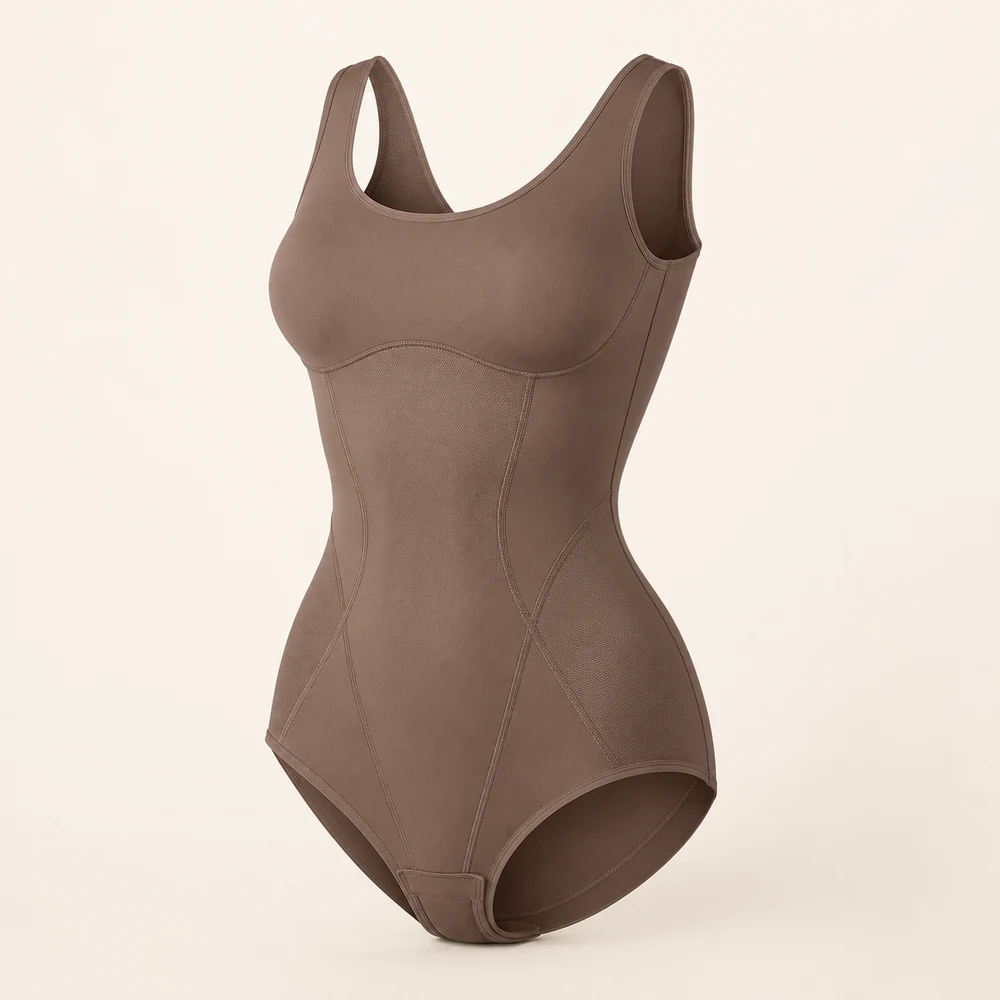
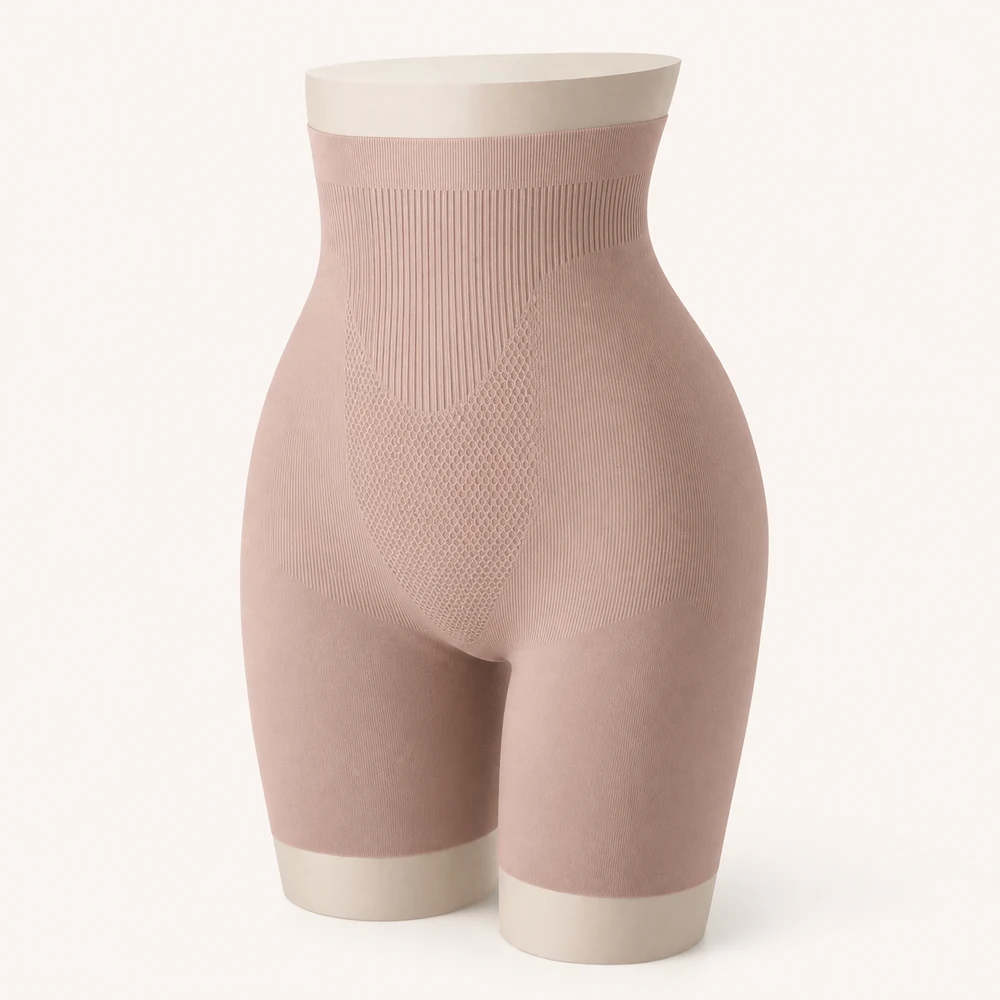
Seamless construction works well for everyday smoothing, briefs, shorts, camisoles, bodysuits and active-inspired products where comfort and a clean appearance matter. It is also useful when a brand wants several control zones without adding many sewn panels.
Buyers should still review side seams, gusset construction, strap attachment, knit recovery and consistency between sizes and colors.
04
When cut-and-sew or hybrid construction is better
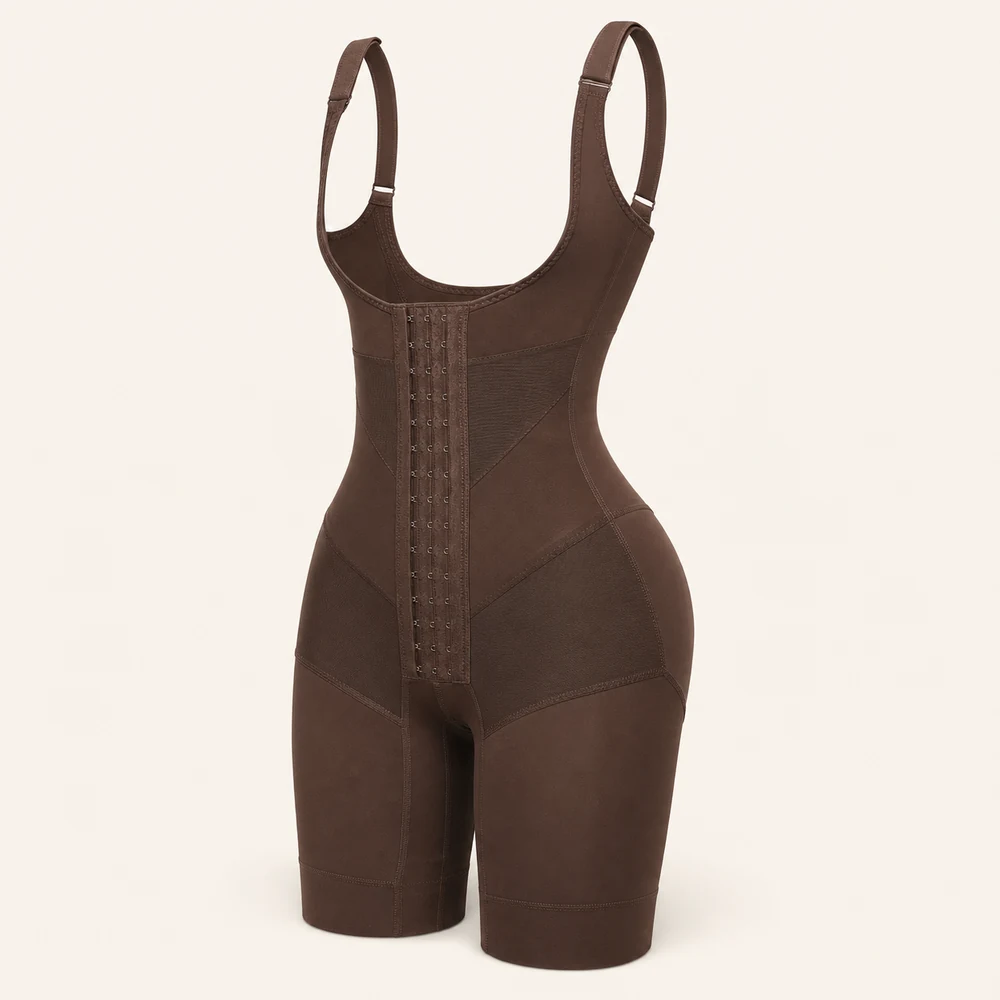
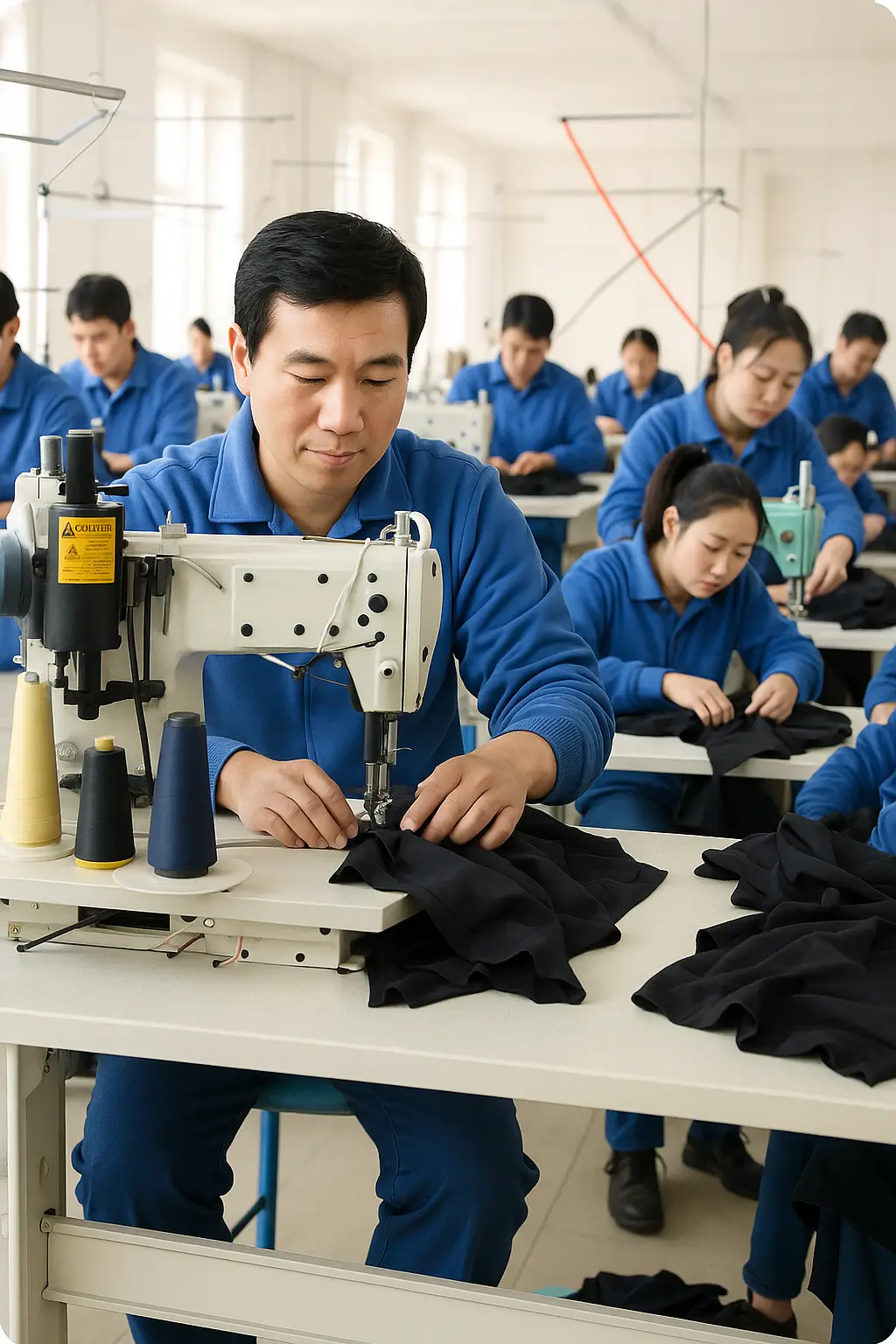
Cut-and-sew is usually more suitable for fajas, bustiers, complex bodysuits and garments that combine power mesh, lining, cups, hooks, zippers, boning or targeted reinforcement. A hybrid product may use a seamless knitted body with sewn gussets, straps or reinforcement pieces.
Ask the factory which construction route it can control consistently in bulk. A good technical answer should cover pattern or knit programming, machinery, tolerance control, inspection and repair standards.
Buyer FAQ
Does seamless shapewear have no seams at all?
Not necessarily. Seamless usually means the main body is knitted with fewer seams; gussets, straps, edges or other components may still be sewn.
Which construction gives stronger control?
Either can provide meaningful control. Cut-and-sew offers direct panel and material placement, while seamless can create engineered knit zones. The approved sample determines the actual result.
Can one collection use both constructions?
Yes. Many brands use seamless for everyday styles and cut-and-sew for structured or specialist products, while sharing brand, color and packaging systems.