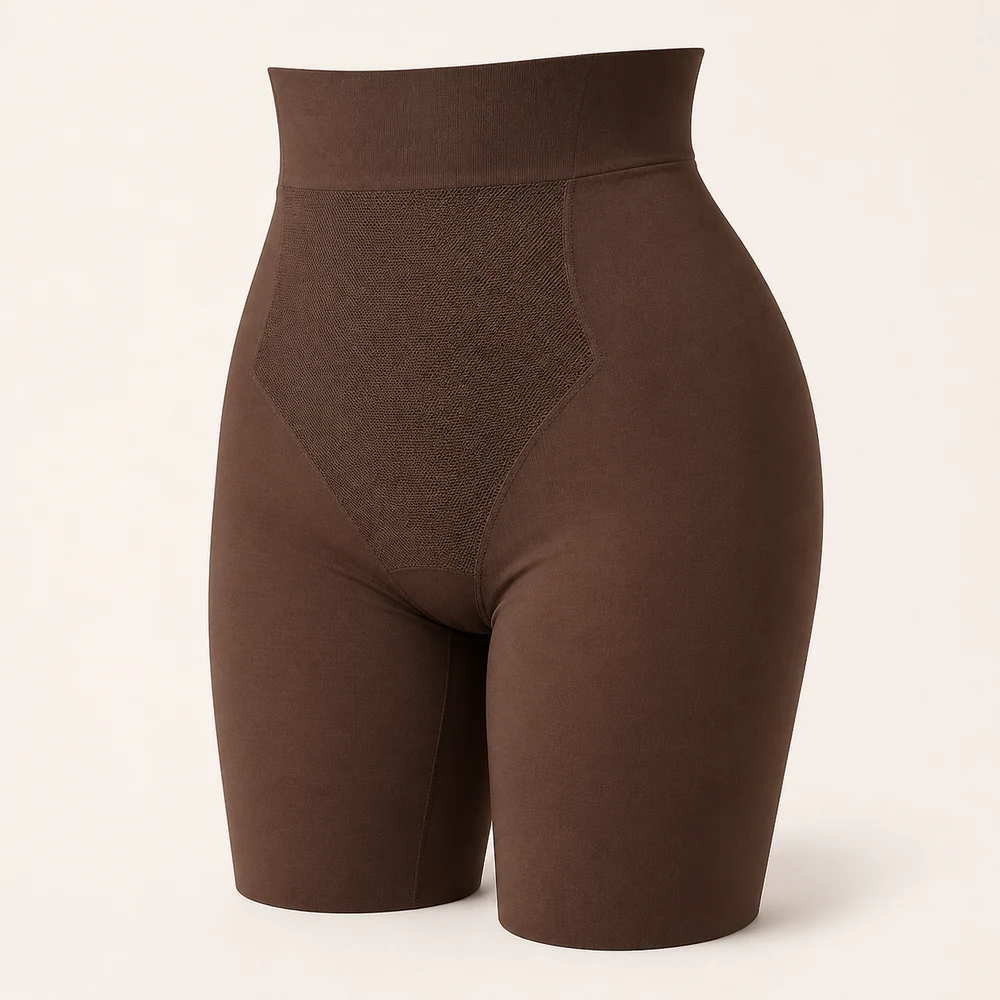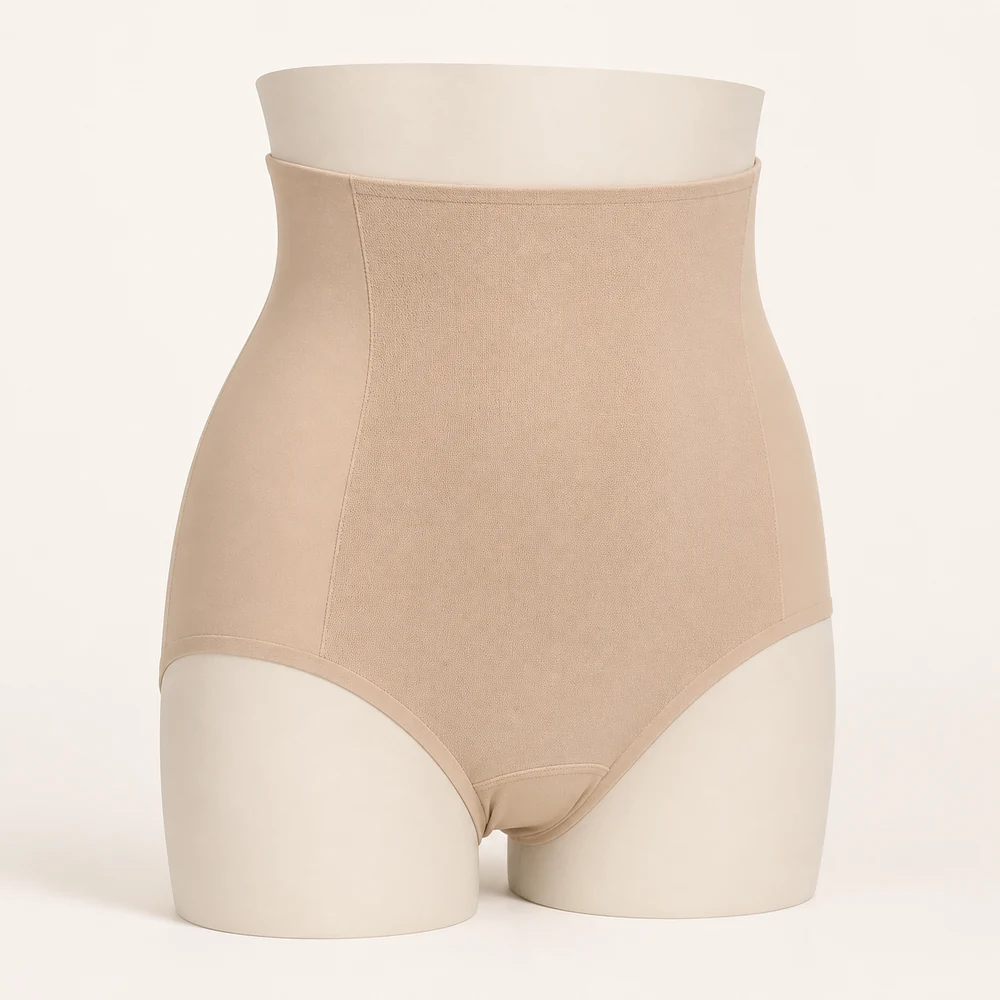

This page focuses on program decisions and tradeoffs. For the durable technical framework, read Shapewear Sizing, Grading and Fit Testing.
BUYER TAKEAWAY
Use the target market's body data and brand positioning to define the size system. Approve a base size, then validate grading and compression on representative bodies across the range. Do not simply relabel another market's size chart.
01
Separate body measurements from garment measurements
The size chart tells customers which size to choose based on body measurements. The garment specification controls the finished product. In shapewear, the relationship between the two creates stretch and control, so both documents must be managed together.
A copied size chart can fail when the pattern, fabric or target customer is different. Define the body range first, then engineer garment measurements and grade rules for the approved material.
02
Fit approval needs more than one body and one pose
The garment should be evaluated standing, sitting, bending and moving. Review donning, torso balance, bust and armhole placement, waist security, gusset position, leg openings and visible lines under clothing. Ask fit models about pressure points and wear confidence, not just whether the item can be put on.
For inclusive size ranges, validate representative sizes at the lower, middle and upper parts of the range. Extra sizes may need adjusted panel proportions, elastic, strap or closure decisions rather than a simple mathematical enlargement.
03
Control the interaction between grade and compression
| Fit area | What can go wrong | What to review |
|---|---|---|
| Waist and upper edge | Rolling, gaping or concentrated pressure | Elastic length, torso shape, reinforcement and movement |
| Hip and seat | Flattening, displacement or insufficient coverage | Panel shape, rise, stretch direction and grade |
| Thigh and leg opening | Cutting, riding or visible lines | Opening measurement, elastic recovery and length |
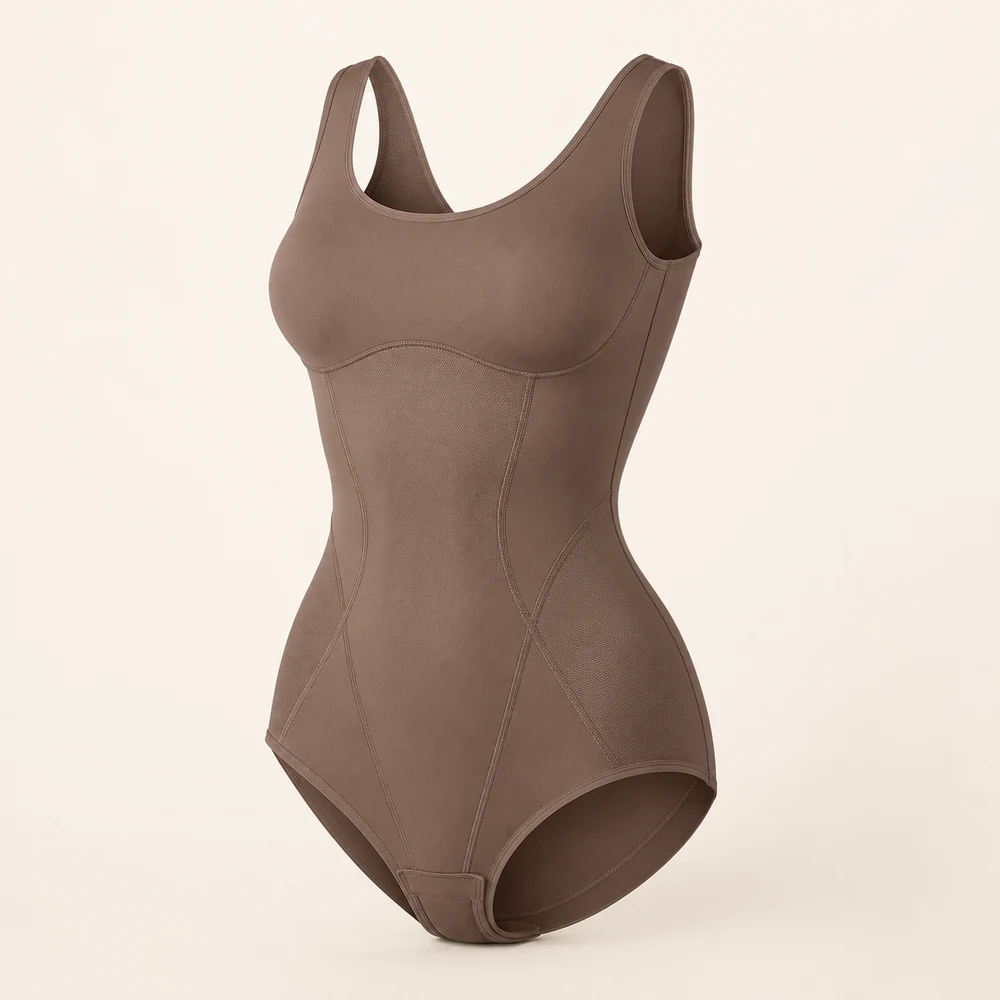
| Torso and gusset | Pulling, short body length or closure discomfort | Vertical stretch, body-length options and closure placement |
| Bust and armhole | Spillage, rubbing or incompatible bra fit | Coverage, cup/open-bust choice, strap and underarm shape |
04
Fit and size data to keep for repeat orders
This record turns sizing into a controlled product asset. It also helps identify whether future complaints come from labeling, customer selection, fabric variation, production tolerance or the original grade.
- Approved body size chart and market naming
- Finished garment measurement specification and tolerances
- Pattern or knit-program version
- Approved sample and dated fit comments
- Material lot or performance specification
- Multi-size fit, wear and wash-test records
- Customer feedback by size and issue type
Buyer FAQ
Can a brand convert US sizes directly to EU or Asian sizes?
Labels can be mapped, but fit should be based on the target customer's body data and validated in the intended market rather than converted by name alone.
Why does fabric affect the size chart?
Fabric stretch resistance and recovery affect garment measurements, control and comfort. A material change may require pattern or grade changes even if the body size chart stays the same.
How many sizes should be fit tested?
The plan depends on range and risk, but representative lower, middle and upper sizes should be validated rather than approving only the base size.